


Homeowners insurance premiums in Florida continue to rise, and many people hear the same advice: install impact windows and doors to qualify for a homeowners insurance discount. While this is generally true, many homeowners misunderstand how wind mitigation credits are calculated. Insurance carriers do not apply discounts automatically, and not every upgrade leads to the expected savings.
This guide breaks down how impact windows, impact doors, and other storm-hardening features influence insurance premiums, what inspectors verify, and what documents you need to secure and maintain your credits.

Why Insurance Companies Value Impact Windows and Doors
Carriers place huge importance on a home’s ability to remain sealed during high-wind events. When an opening fails, wind pressure rapidly increases inside the structure, leading to major damage. Impact windows and impact doors significantly reduce the risk of structural failure thanks to laminated glass and reinforced frames designed to remain intact even when cracked. Shutters can provide similar protection, but they only work when installed and deployed properly.
Because these upgrades reduce the likelihood of large claims, insurers reward homes with wind mitigation credits that contribute to a meaningful homeowners insurance discount.
Get a Free Quote
A free quote only costs a few minutes but can save you thousands on hurricane protection.
Types of Homeowners Insurnace Discounts Available Through Wind Mitigation Credits
How Wind Mitigation Credits Work
Most savings come from a standardized wind mitigation inspection performed by a licensed inspector. The report evaluates several components of the home, including roof characteristics and, most importantly, opening protection. Opening protection determines whether windows, exterior doors, sliders, and garage side doors meet Florida or Miami-Dade impact requirements or are protected by approved shutters.
Homes with full, verified opening protection qualify for the strongest homeowners insurance discount.
Fully Protected vs. Partially Protected vs. Unprotected
Insurers sort homes into three categories:
- Fully protected: All openings meet impact standards or are protected by code-approved shutters.
- Partially protected: Some openings qualify; at least one does not.
- Unprotected: No qualifying protection is in place.
Many homeowners miss out on full wind mitigation credits due to a single unprotected opening — often a bathroom window or a garage side door.
Are Impact Windows Better Than Shutters for Insurance Savings?
Insurance companies generally treat impact windows, impact doors, and approved shutters the same when awarding credits. The main difference is reliability. Shutters must be deployed before a storm, and carriers know some homeowners do not deploy them consistently. Impact windows and doors provide continuous, maintenance-free protection, making them the most dependable way to maintain your homeowners insurance discount year-round.
What Homeonwers Insurance Inspectors and Carriers Look for During the Impact Window Evaluation

Verified Labels and Product Approvals for all Impact Windows
Inspectors must confirm that an approved product protects every opening. This requires visible labels, etched markings, or manufacturer documentation that ties the product to a valid Miami-Dade NOA or Florida Product Approval. If the inspector cannot verify the product, the opening cannot count toward your wind mitigation credits.
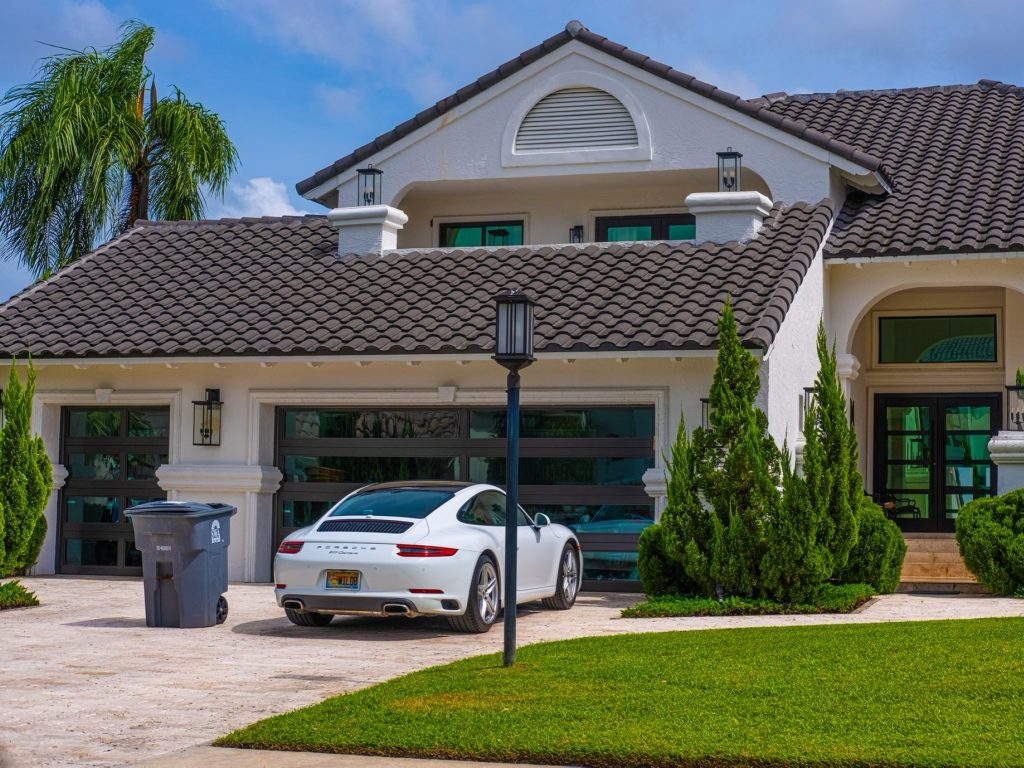
Proper Window Installation and Permitting
A permitted, code-compliant installation strongly influences whether insurers accept the upgrade. Unpermitted or improperly installed impact windows and doors may trigger questions or even denial of discounts. Completed inspections and proper permitting confirm that the installation meets building standards.

Consistent Impact Window Protection Throughout the Home
To earn full wind mitigation credits, all openings must meet impact or shutter requirements.
Overlooked openings frequently include:
- Small fixed or decorative windows
- Bathroom awning windows
- Cabana doors
- Second-story sliders
- Garage side doors
Even one unprotected opening may reduce — or eliminate — the homeowners insurance discount.
Get a Free Quote
A free quote only costs a few minutes but can save you thousands on hurricane protection.
The Documentation You Need to Secure a Homeowners Insurance Discount
Required Paperwork for Homeowners Insurance Companies
After installing impact windows and doors, gather:
- Final paid invoice or contract
- Approved permit
- Final inspection or certificate of completion
- Product approval sheets or NOAs
Insurers often request this information again if you switch carriers.
Photos That Help Insurnace Approval Go Faster
Inspectors and underwriting teams rely on photos to validate wind mitigation credits. Helpful images include:
- Every exterior elevation
- Close-ups of product labels or etched approvals
- Shutters fully deployed (if applicable)
- Hardware, attachment points, or installation details when needed
Clear, labeled photos reduce follow-up questions and speed up discount approval.
Staying Organized with Your Contractor
Your contractor should supply all approval documents for the impact windows and impact doors installed on your home. Keeping these files together — digitally or in print — ensures fast responses when insurers request proof.
Common Myths About Impact Windows and Insurance Discounts
- Myth: Protecting the front of the home is enough for full credits.
All openings must be protected. - Myth: Carriers apply discounts without an inspection.
A current wind mitigation inspection is almost always required. - Myth: All “hurricane windows” qualify.
Only products with valid state or county approval numbers are eligible. - Myth: Claims are covered even if you forget to deploy shutters.
Failing to deploy shutters can lead to reduced payouts or complete claim denial.
Can Homeowners Insurance Deny a Claim if You Don’t Close Your Shutters?
Yes — and it’s more common than many homeowners realize.
Policies require homeowners to take reasonable steps to protect their property before a storm. If your home has shutters and you leave them open, your carrier may argue you failed to mitigate damage. This can result in reduced payouts or even denial of the claim.
Impact windows and doors eliminate this issue entirely. They provide permanent, always-active protection without any last-minute effort, making them the most reliable way to maintain wind mitigation credits and preserve your homeowners insurance discount.
Get a Free Quote
A free quote only costs a few minutes but can save you thousands on hurricane protection.

How to Maximize Savings When Upgrading
Prioritize Openings Strategically
If you’re upgrading in phases, start with overlooked openings that could prevent you from achieving fully protected status. The goal is to reach complete opening protection as efficiently as possible — this is what unlocks the highest homeowners insurance discount.
Schedule Your Wind Mitigation Inspection Promptly
Once your project passes final inspection, schedule a new wind mitigation inspection. Discounts only apply once the insurer receives updated documentation confirming your eligibility for full wind mitigation credits.
Upgrading to impact windows and doors provides constant storm protection and a clear path to meaningful insurance savings. Understanding how discounts are earned, documented, and maintained ensures you get the maximum value from your investment.
